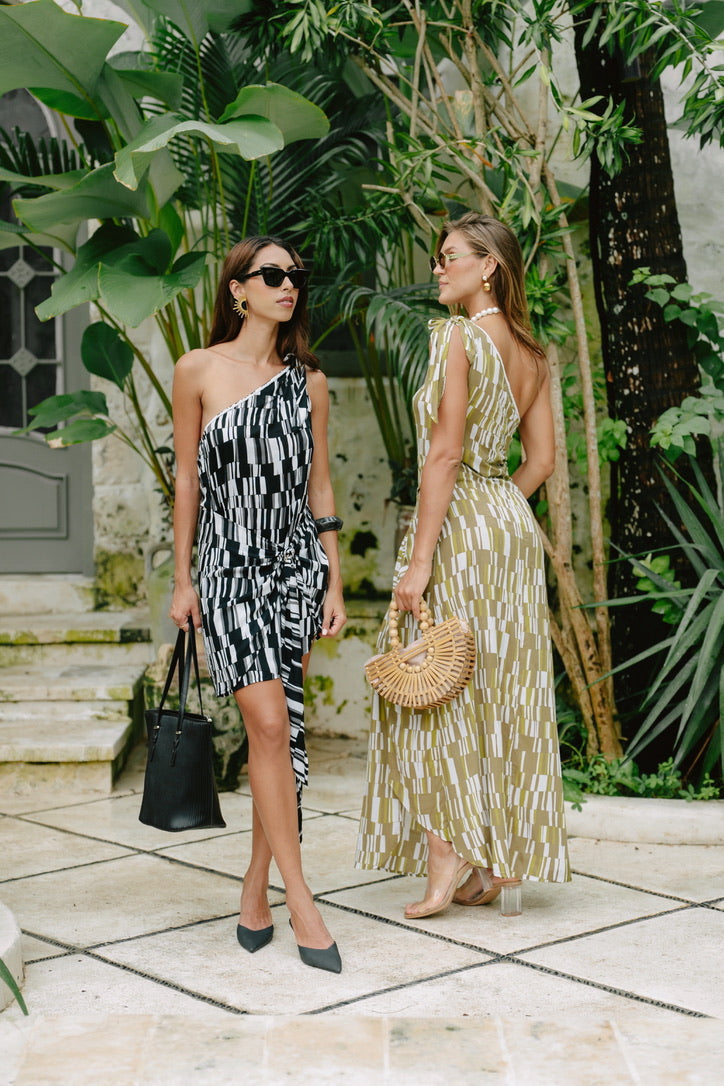
Resortwear Size Guide for an Effortless Ibiza Fit
A sun-drenched dress should feel like freedom, not something you spend dinner tugging into place. This resortwear size guide is designed for the way you really wear vacation clothes: over swimwear, through warm afternoons, at beach clubs, and into balmy island nights. The right size is not always the smallest number or the most fitted silhouette. It is the one that lets the print move, the fabric breathe, and you feel completely yourself.
Resortwear often has more ease than everyday tailoring. Fluid kaftans, adjustable wrap styles, wide-leg pants, and softly gathered dresses are made to skim rather than squeeze. That beautiful drape is also why knowing your measurements matters. A relaxed garment can still feel too tight through the bust, too narrow at the hip, or too long for your plans.
How to Use This Resortwear Size Guide
Start with your body measurements, not the size on your favorite pair of jeans. Sizing varies between brands and even between silhouettes, especially when a collection includes hand-finished details, elastic smocking, adjustable ties, or a deliberately oversized cut.
Use a soft measuring tape and wear lightweight clothing or your usual undergarments. Keep the tape flat against the body, but do not pull it tight. Measure your bust around the fullest part, your natural waist at its narrowest point, and your hips around the fullest part of your seat. For pants and jumpsuits, measuring your inseam can be useful too, particularly if you are petite or tall.
Once you have those numbers, compare them with the measurements provided for the individual style. If you fall between sizes, let the garment shape decide. For a fitted bodice or a non-stretch woven piece, choosing the larger size is usually the more comfortable route. For a generously cut kimono, tunic, or kaftan, you may prefer the smaller size if you want less volume.
Think in Silhouette, Not Just Size
A body-skimming slip dress and a breezy tiered maxi may carry the same size label, yet they create entirely different fits. Read the product description for clues such as relaxed fit, oversized, fitted at bust, elasticated waist, adjustable straps, or one size. These details tell you where the garment is intended to sit and where it has room to move.
A fitted upper body with a flowing skirt is a classic resort shape. In this case, prioritize your bust measurement first, then confirm there is enough ease through the waist and hip. If your bust and hip suggest different sizes, the construction matters: a full skirt may accommodate your hips easily, while a close-cut column dress may not.
For a loose tunic or kimono, shoulder width and desired sleeve length can matter more than the waist. The piece may be designed to fall open and airy, making a precise waist measurement less relevant. That is the pleasure of a fluid island layer: it creates presence without asking to be overly precise.
The Fit of Dresses, Kaftans, and Jumpsuits
Dresses deserve a little extra attention because their fit is defined by more than bust, waist, and hip. Consider where the waist seam, empire line, or adjustable tie will land on your body. A high empire seam can be especially comfortable for long lunches and humid evenings, while a defined waist gives more shape when you want a dressed-up resort mood.
For maxi dresses, look at the stated length whenever it is available. A floor-grazing hem is romantic with flat sandals, but it may need a heel or platform if you are petite. If you are tall, a shorter hem can still look intentional when styled with a bare ankle, a lace-up sandal, or a statement cuff. Hem placement is a styling choice as much as a measurement.
Kaftans are meant to carry air around the body. They should feel easy at the shoulders and across the upper arms, with enough room to layer over a swimsuit or slip dress. If a kaftan has embroidery, lace panels, or a neckline that slips over the head, check the bust and arm opening even when the body is loose. Decorative craftsmanship may have less give than the flowing fabric around it.
Jumpsuits need the most careful fit check. Your torso length matters alongside your bust, waist, hip, and inseam. A jumpsuit that fits beautifully through the leg but pulls at the shoulder or crotch will not feel effortless after an hour. Adjustable straps, wrap fronts, elasticated backs, and tie waists offer welcome flexibility. If you are between sizes, choose the option that gives you room through the torso, then define the shape with a belt or tie if the design allows.
Pants, Skirts, and the Art of Easy Volume
Wide-leg pants and palazzo silhouettes are a resort wardrobe favorite because they bring the movement of a skirt with the ease of trousers. The key measurement is usually the waist or upper hip, depending on whether the style is high-rise, mid-rise, or designed to sit lower. An elastic or drawstring waist offers more flexibility, but the fabric should still drape smoothly rather than pull at the hip.
With skirts, decide where you want the waistband to sit before selecting a size. A high-waisted skirt will need to accommodate your natural waist; a lower, hip-slung style should be assessed at the high hip instead. For wrap skirts, make sure there is enough overlap to feel secure when you walk or catch a coastal breeze.
If a style includes a side slit, a light fabric, or a semi-sheer finish, comfort is part of the fit. You want enough ease to move freely without the garment twisting or opening in ways that feel less polished than intended. Resortwear can be sensual and relaxed at once, but only if you feel at ease in it.
Fabric, Handcraft, and Why Small Differences Happen
The beauty of artisan-inspired resortwear lives in its detail: painterly tie-dye, hand-applied embroidery, crochet, lace, fringe, and expressive placement prints. These finishes can mean slight variations from one garment to another. That is part of the character, not a flaw.
Natural-feeling woven fabrics generally have less stretch than jersey or ribbed knitwear. If a woven dress has no elastic, zipper, or adjustable feature, do not expect it to mold to the body in the same way as a stretch piece. Choose the size that allows comfortable breathing, sitting, and raising your arms. A little air between you and the garment lets the silhouette float as it was designed to.
Smocking and elasticated panels are forgiving, but they are not unlimited. They are ideal when you want a flexible fit across the bust or waist, especially for travel days when you want comfort without losing shape. If you are near the upper end of a stated size range, sizing up can preserve the intended drape and prevent the elastic from feeling overly firm.
Choose for the Life You Plan to Live in It
Before adding a piece to your suitcase, picture the moment you will wear it. A close-fitting mini for sunset cocktails may be exactly right in your usual size. A printed maxi for wandering markets, lingering over lunch, and dancing after dark may deserve more ease. Neither choice is more flattering by default. The most flattering fit is the one that supports the mood and movement of the day.
For beach-to-bar dressing, consider what will sit underneath. If you plan to wear a dress over swimwear, a little extra room through the bust and hip can make all the difference. If you are styling a sheer tunic over a bikini, its relaxed shape may be the point. For an evening look with a slip or fitted underlayer, you may want a more precise silhouette on top.
At Hippy Chick Ibiza, the spirit is always expressive rather than restrictive: color that catches late light, prints with their own story, and silhouettes made for summer days and island nights. Let the garment lead you toward the fit it was created for, while your measurements keep the choice grounded.
When you are unsure between two sizes, choose the one that makes you want to move. A great resort piece should leave room for warm air, a long dinner, and the spontaneous plan that begins after sunset.